‘Is it better to be poor in a rich country or a poor country?’ I asked Camp during our weekly meet over a couple of pints.
‘We’ve gone over this before. Being poor and destitute is always a subjective and personal experience and lacks the comparative points of view of those on the outside looking in,’ Camp said. ‘It sucks being poor, anywhere, any time.’
‘I agree, poverty sucks,’ I said.
‘The stereotyping of homeless people does not help either.,’ Camp said. ‘I remember reading Jack London’s ‘The People of the Abyss’ about his immersion into street life in Whitechapel in order to better understand the predicament of the poorest and homeless. A hundred and twenty years on and the lives of the homeless and the destitute amongst us has not changed much.‘
‘On one side we have thousands of homeless people living on the streets, even in parked RV’s and cars and filling the insufficient shelters night after night. Some of these trailers and RVs parked permanently on public streets, across North America’s downtowns, are rented and we now have such a species as Vanlords.’
‘Yes, and on the other side of the spectrum we have unprecedented wealth, coupled with conservative and reactionary policies stretching the middle-class to a point of insecurity where many are just a paycheck away from going broke. Home prices and the resulting rental increases are not helping and young families are being squeezed from all sides: the bank, the grocery store, the gas station and the landlord,’ Camp pointed out.
‘And it seems that everybody is on their own. Society as a whole and governments are theorizing and plugging holes in the dam of poverty but comprehensive and radical re-thinking and actions to address the core issues of homeless people is sadly lacking. Drug addiction, mental health and abandonment are not solved by moving people from Main and Hastings to Crab Park.’
‘As always they do it better in Scandinavia, Finland in particular,’ Camp said.
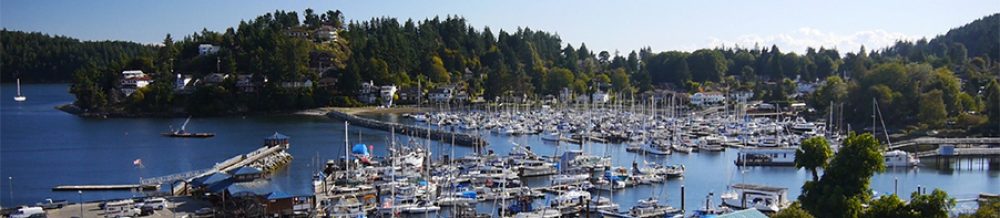
We both tried to enjoy our beers, looking out at paradise: The calm waters of Howe Sound, the snow-capped mountains, the quaint harbour and the still blue sky, unlike the smoky, apocalyptic skies of much of eastern Canada and the US due to hundreds of raging wild fires.
‘BC is trying to address the overdose crises by legalizing small amounts of drugs but it’s just one tool in a mostly empty tool box and there is big pushback from the right. Poilievre, the populist conservative leader, said that the BC policy is putting fentanyl in the hands of children. What an asinine thing to say,’ I said. ‘No evidence, a total lie.’
‘Let’s face it, the criminals who manufacture and distribute the deadly street drugs have no moral compass and should be considered murderers, knowing full well that their products will kill people.’
‘I think that legalizing and controlling all drugs, much like Marijuana, should therefore be a priority but is opposed by conservative views that all drugs are destructive and illegal and their users therefore outside the law and personally responsible for their addiction and resulting behavior.’
‘That’s been the policy for a hundred years and it hasn’t worked. It’s complicated and complex but we need the political will to at least try a different approach. Many of these addicts are also homeless since they cannot hold down a job or manage their lives. And our constitutional guarantee to health cannot be bestowed on those who live on the streets.’
‘What’s really lacking?’ I asked and there was Vicky with our refills overhearing our peeves and disgruntled opinions.
‘We need more compassion, more understanding and more kindness,’ she said.

 Bruno's point of view